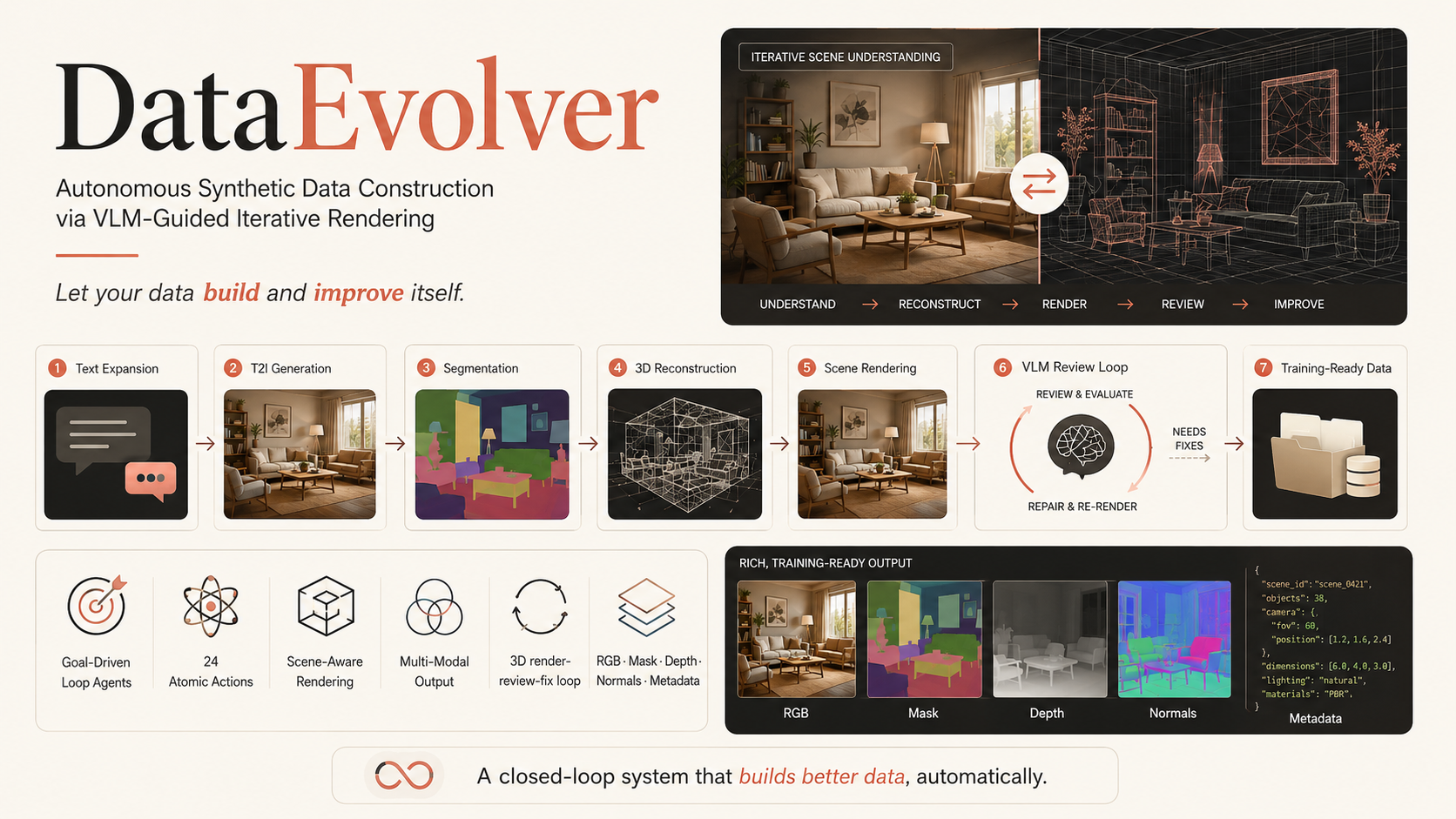
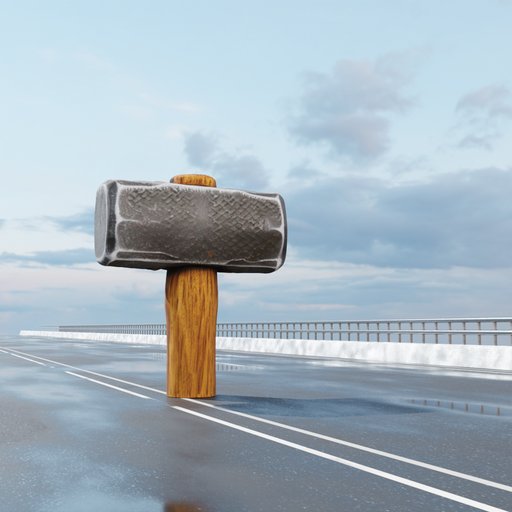
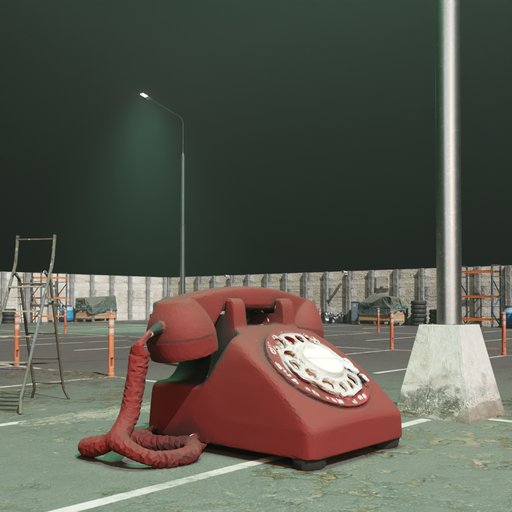
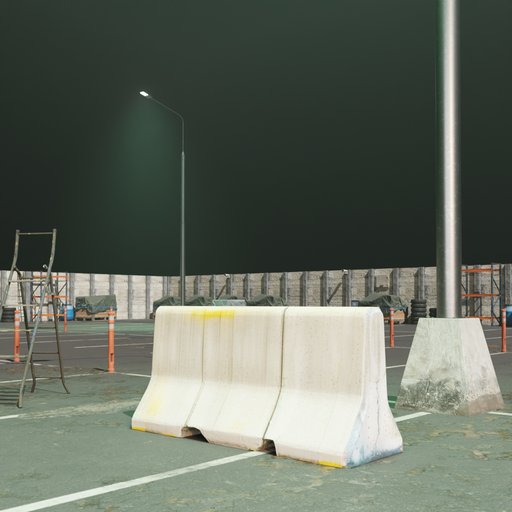
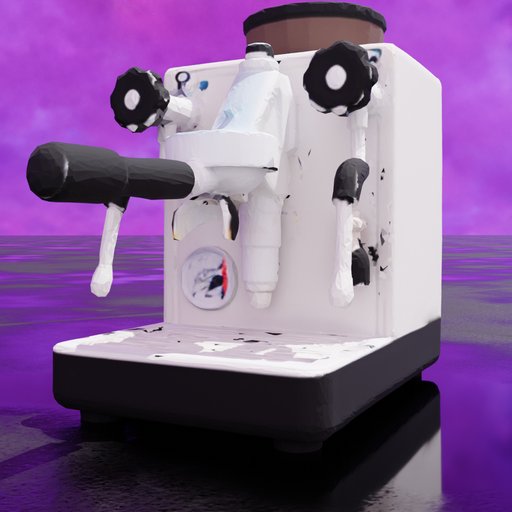
DataEvolver is an autonomous dataset construction framework where goal-driven loop agents choose and compose text-to-image, image editing, text-to-video, and image-to-3D interfaces, then use VLM feedback and WebSearch research priors to turn user requests or papers into reproducible data pipelines.
Dataset construction is no longer a single fixed path. Some tasks need image generation, some need editing or video synthesis, some need 3D reconstruction and Blender insertion, and paper reproduction needs source-backed methodology rather than ad hoc prompting.
A user request may require parallel T2I candidates, an image-edit branch, a text-to-video branch, or a serial image-to-3D route. The agent must choose the right composition.
Rigid numeric thresholds cannot diagnose "this object floats" or "the lighting is inconsistent." Goal-driven agents use VLM feedback to decide targeted repairs.
A paper or topic should produce a traceable dataset construction handoff: cited sources, official artifacts, evaluation references, and reusable requirements.
DataEvolver combines an agent-orchestrated multimodal generation track with a WebSearch-guided research-prior track. The agent can run interfaces in parallel, in series, or as a hybrid strategy to build faster, higher-quality datasets.
Generate source objects, scene references, or candidate visual concepts from prompts.
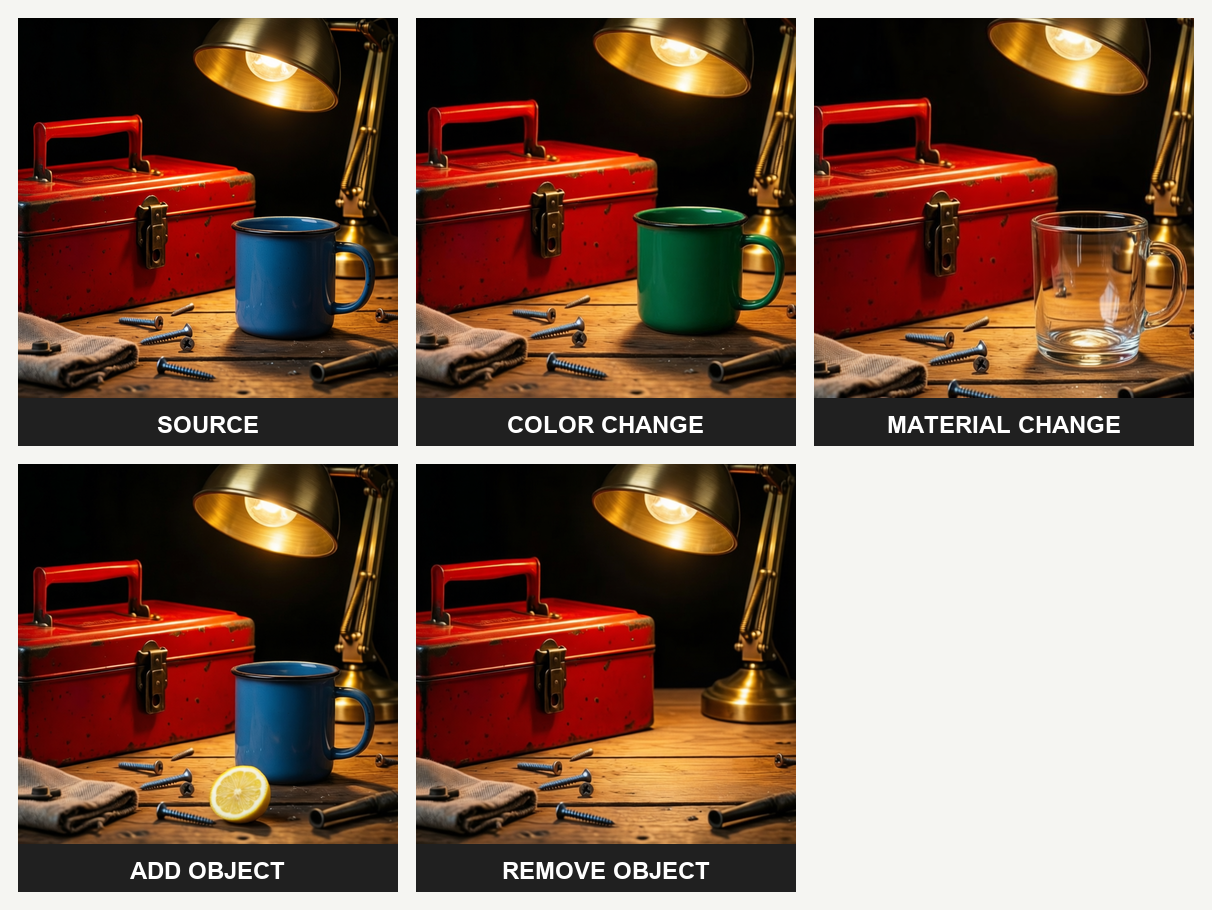
Produce controlled variants, target images, and editing pairs from accepted sources.
Extend static generation into temporal object or scene workflows when sequence data is needed.
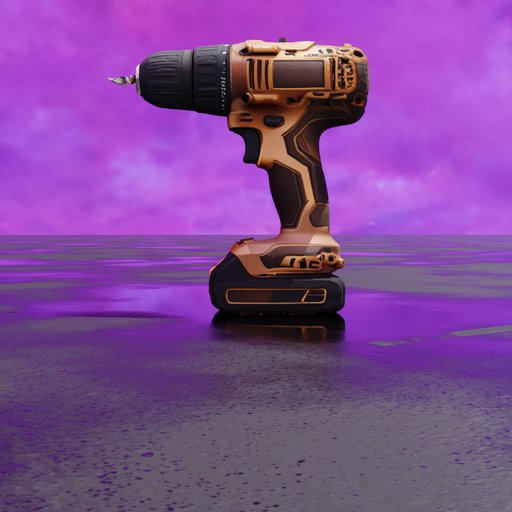
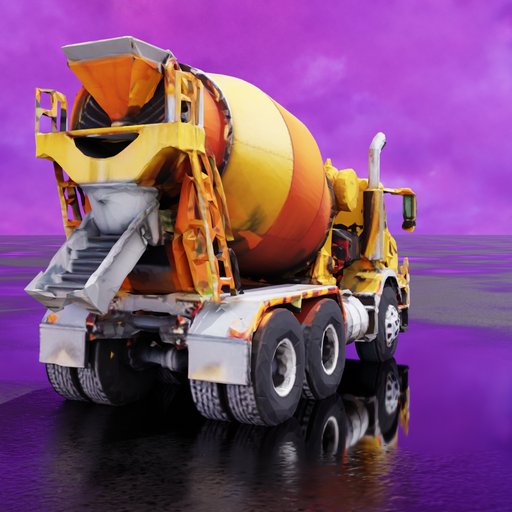
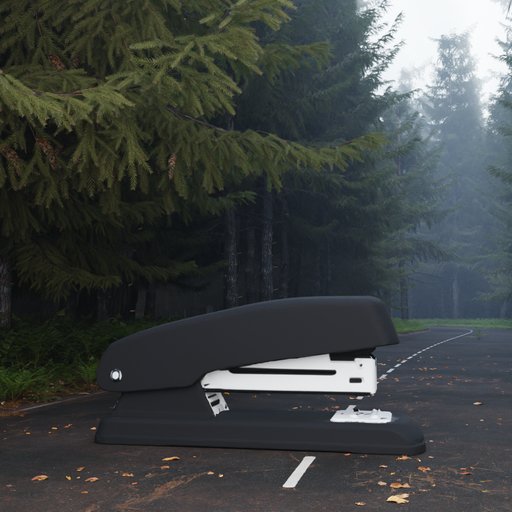
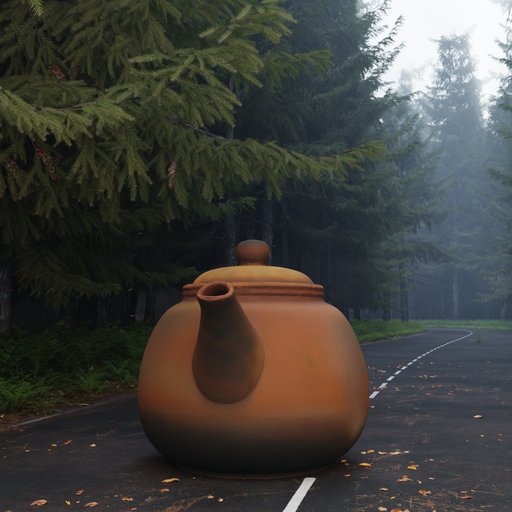
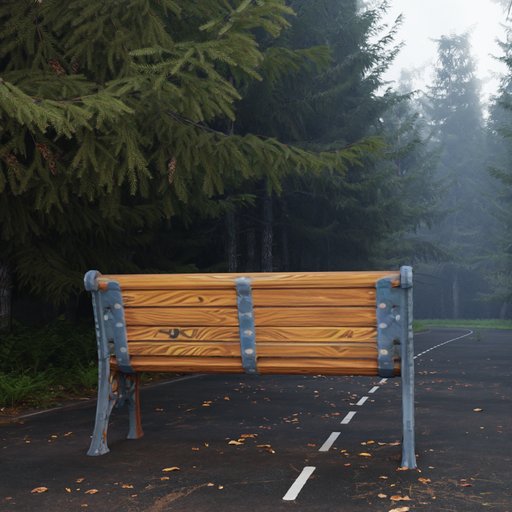
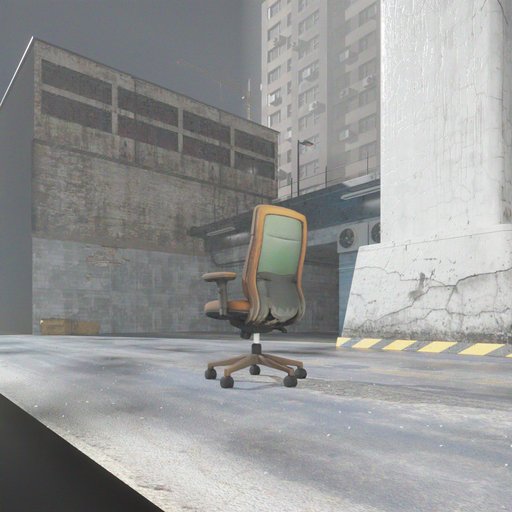
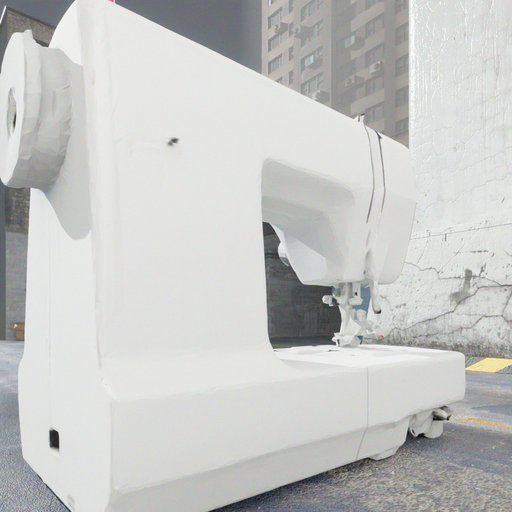
Reconstruct textured objects for Blender insertion, scene rendering, and VLM repair.
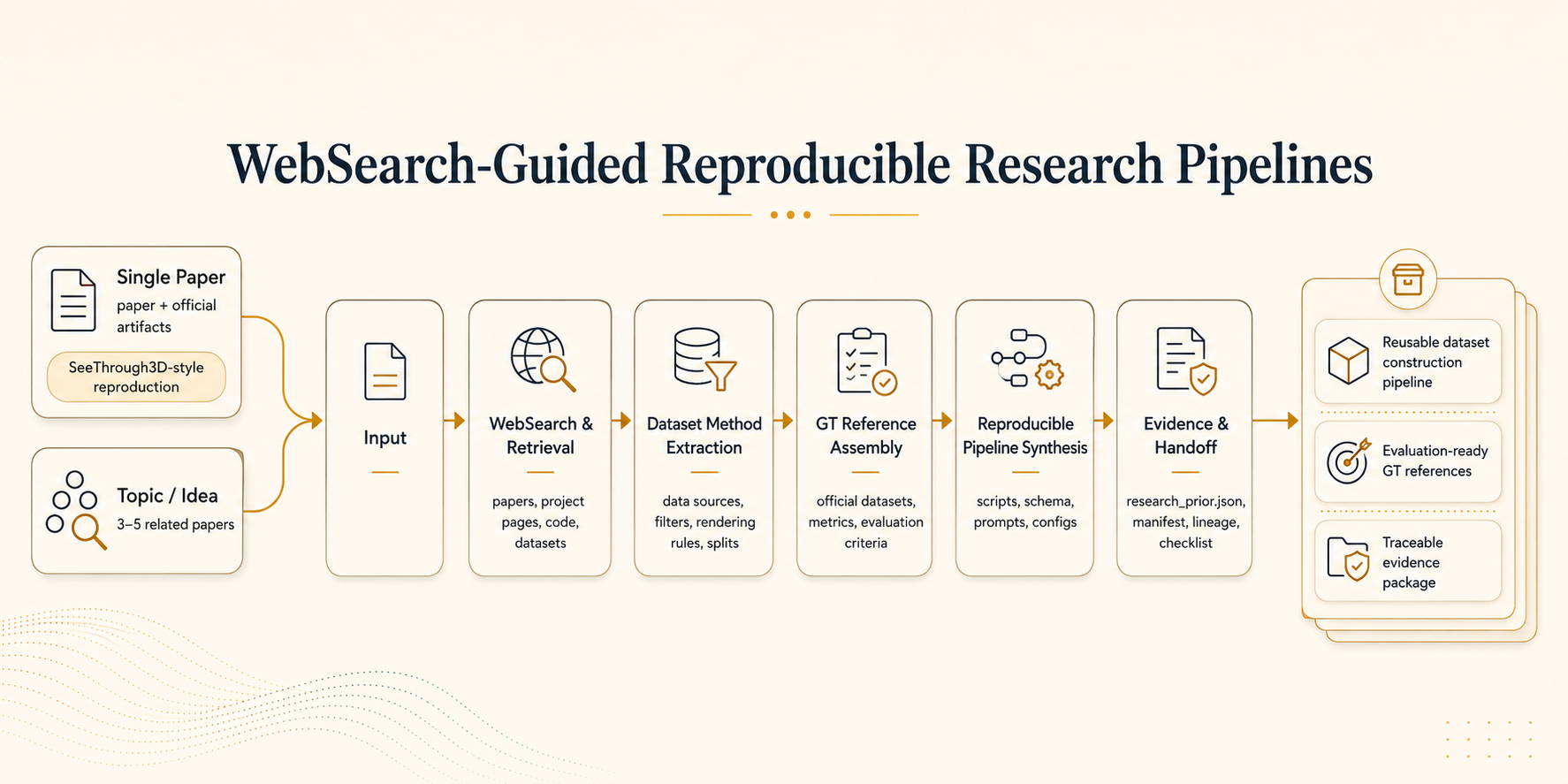
The research-prior workflow turns a paper, topic, or generation request into a reproducible dataset-construction handoff. The active agent performs WebSearch and paper reading, then dynamically composes serial and parallel t2i, edit, i2v, and 3D routes while DataEvolver keeps source notes, trace events, gallery sheets, and research_prior.json attached for replay.
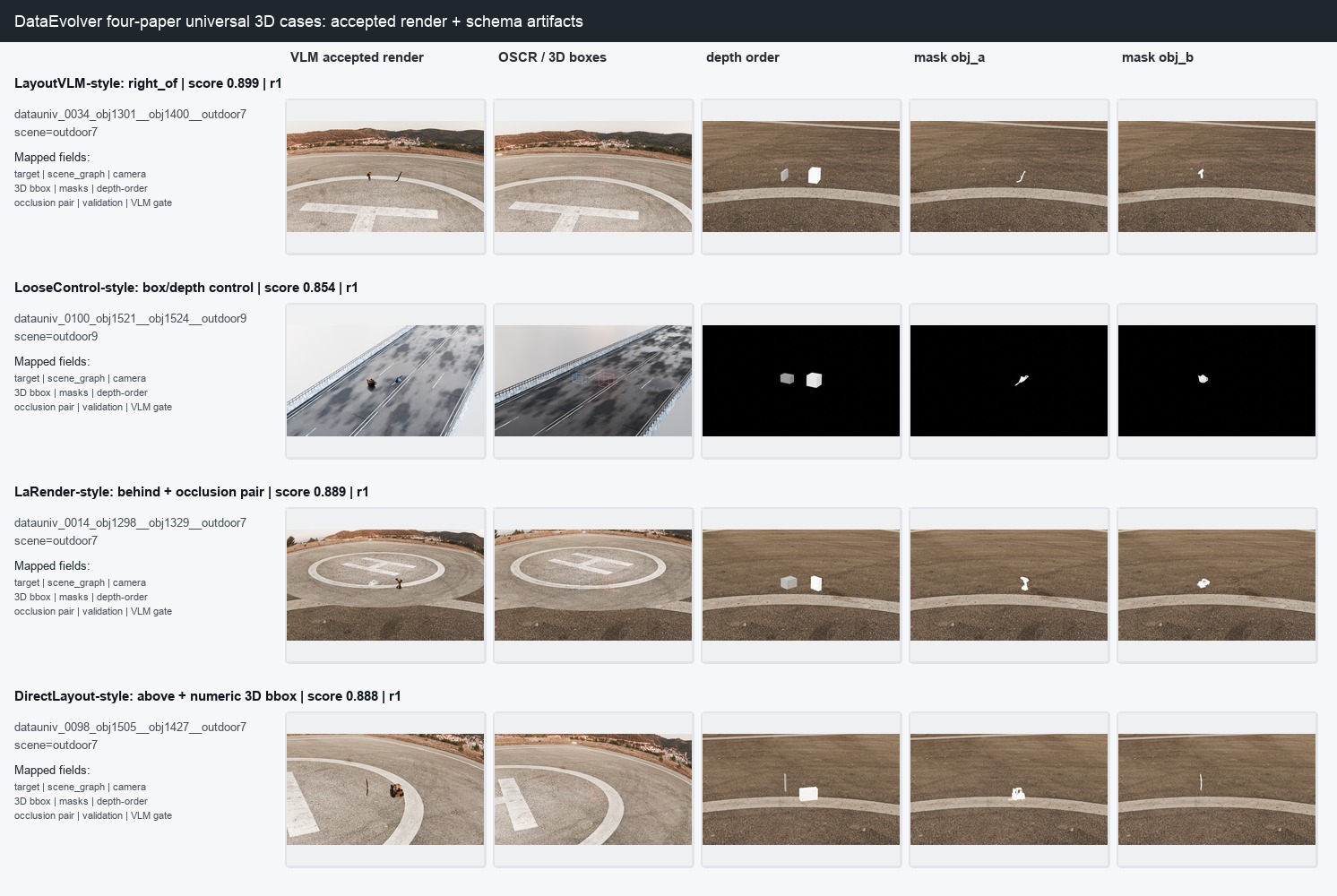
Single-paper and universal modes merge into one source-backed workflow for reproducible dataset construction and evaluation-ready handoff.
Visual checkpoints for the edit route, universal paper synthesis, VLM review, and one-page handoff.
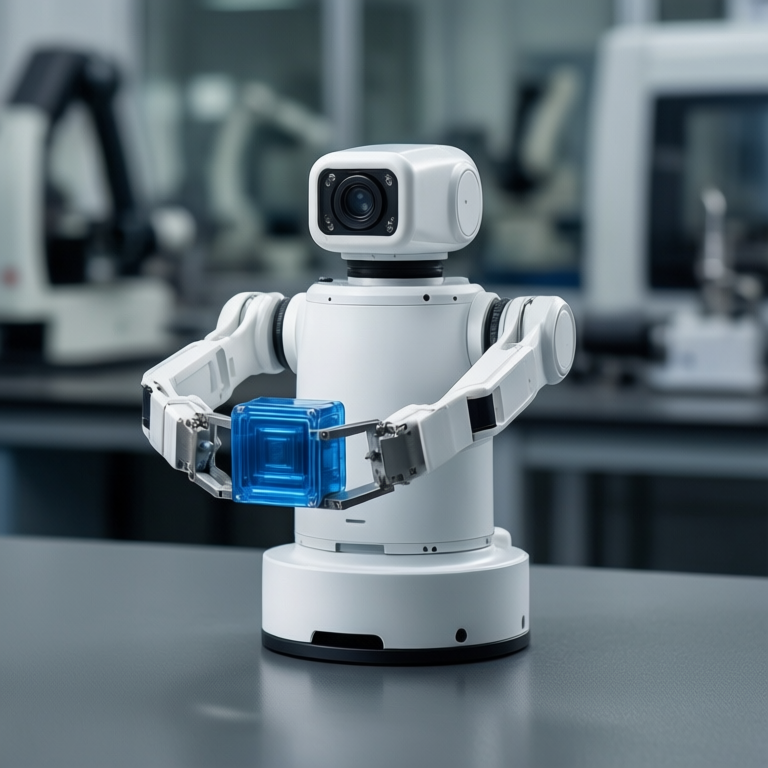
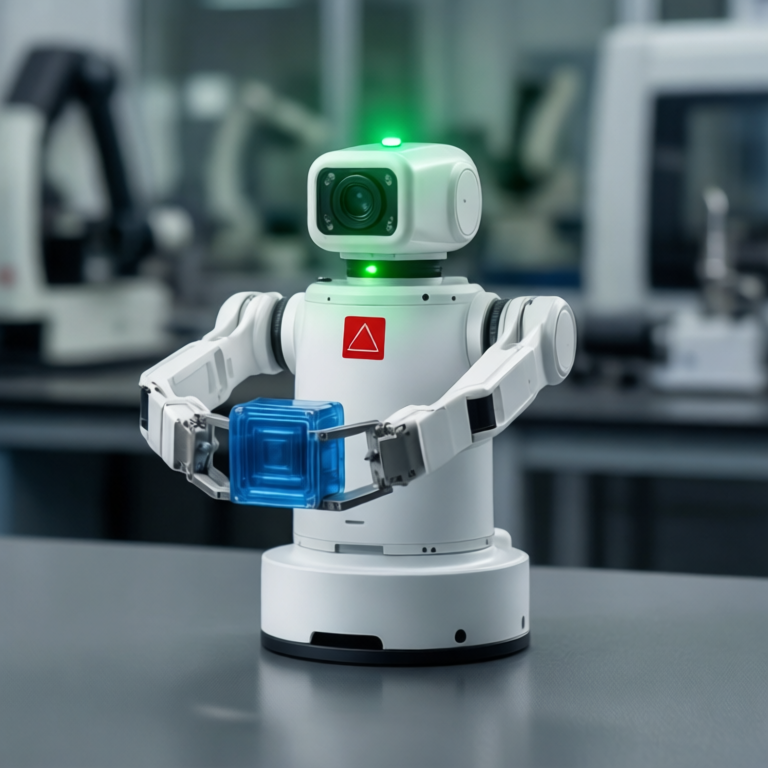
A compact three-stage example from one accepted image. The route starts with a text-to-image base render, promotes the selected frame through targeted image editing, then uses the edited result as the anchor for short motion synthesis.
Clean lab robot scene with a blue transparent cube held at the center.
Targeted edit adds a green status light and a front safety mark while preserving pose and scene layout.
The edited image becomes the visual anchor for a short image-to-video generation pass.
Use parallel search where alternatives are cheap, then switch to serial promotion once a stable image anchor is selected.
Fan out prompts, seeds, or style variants to quickly compare possible robot scenes.
Choose the frame with the clearest pose, object placement, and scene consistency.
Lock geometry and camera first, then add the safety indicator and status lights.
Use the edited image as the input anchor for I2V so identity and visual edits carry forward.
The agent turns the research prior into a route decision: run cheap branches together, cascade dependent steps only when needed, and keep the selected plan replayable through manifests and gallery records.
Run t2i, edit, or i2v candidates side by side when the task needs diversity, fast comparison, or multiple visual hypotheses.
Chain image -> edit -> i2v or image -> 3D -> Blender when later stages need validated upstream artifacts.
Select the lowest-risk plan from cost, source coverage, reference availability, expected quality, and replay requirements.
Reproduce a target paper by separating official artifacts from generated proxies, then recording dataset method, metrics, GT references, and missing-assets decisions.
Search 3-5 related papers, extract shared dataset requirements, and synthesize a reusable plan for generation, evaluation, and traceable outputs.
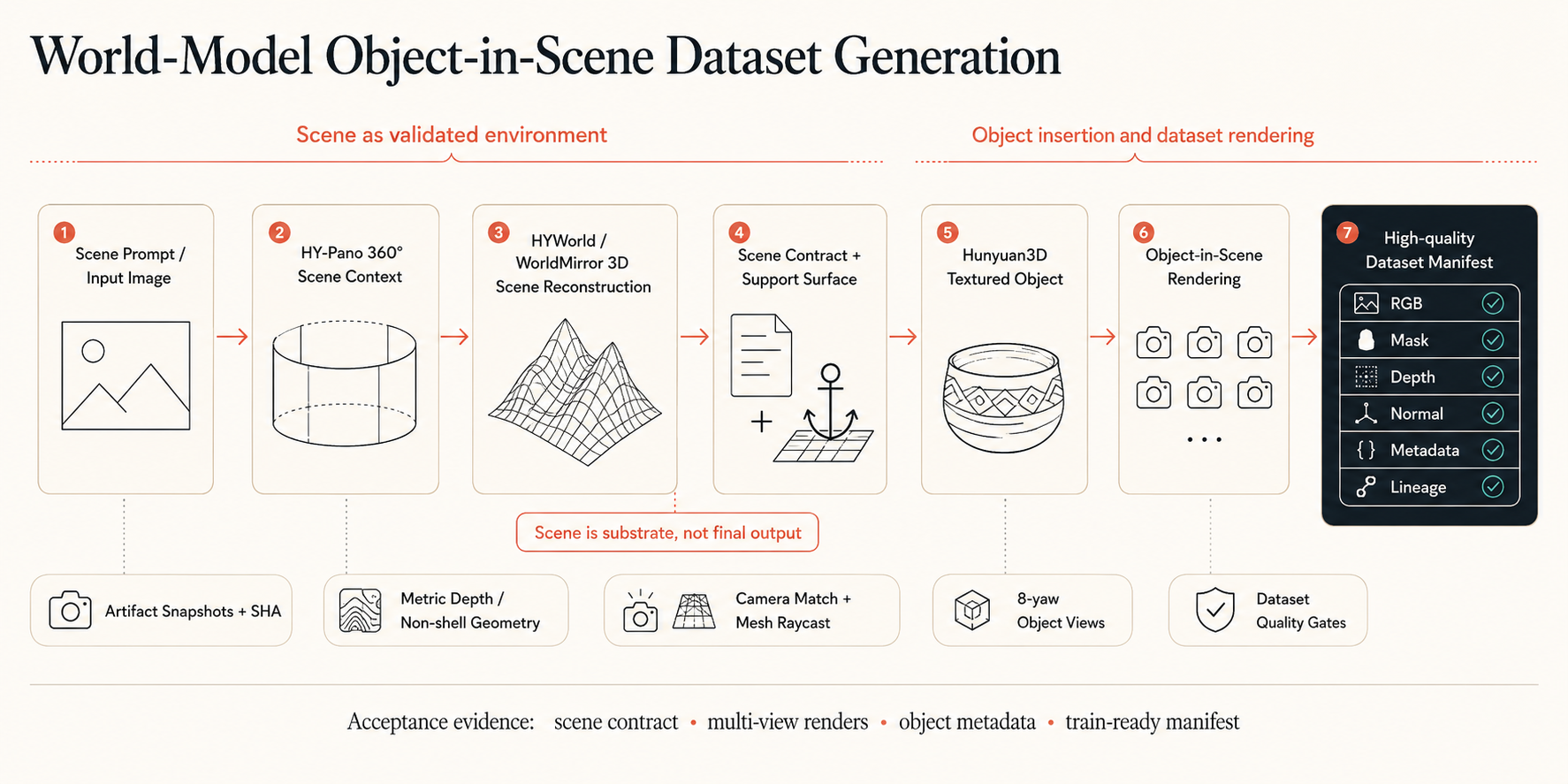
HYWorld / WorldMirror is an optional world_model route for strengthening the 3D reconstruction track. It builds scene context before object insertion, then requires contract-backed geometry, pure-scene multi-view renders, manifests, and lineage records.
HY-Pano creates a 360° context; HYWorld and WorldMirror reconstruct depth, camera priors, support surfaces, and scene geometry instead of accepting a fixed panorama shell.
The route preserves pure-scene renders, placement contracts, support checks, and lineage hashes before any object-scene render can be promoted.
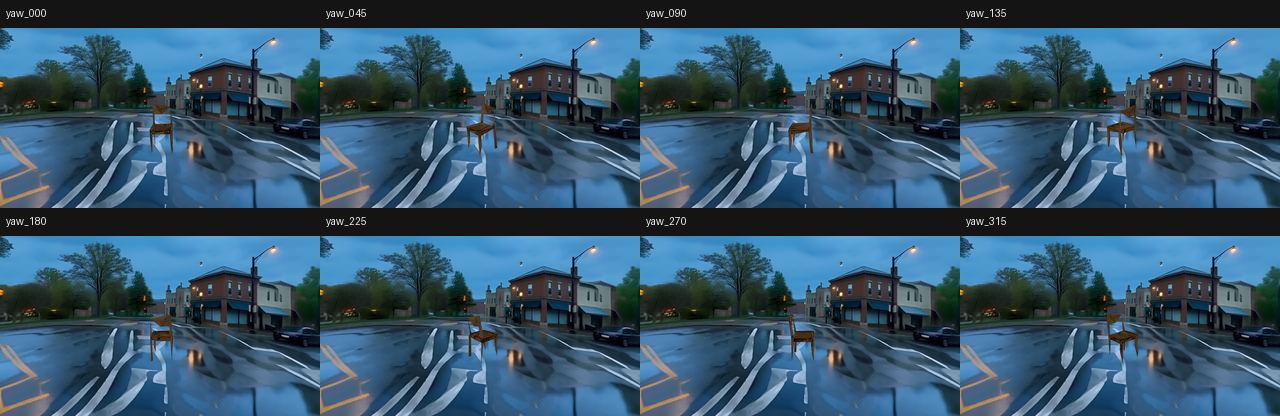
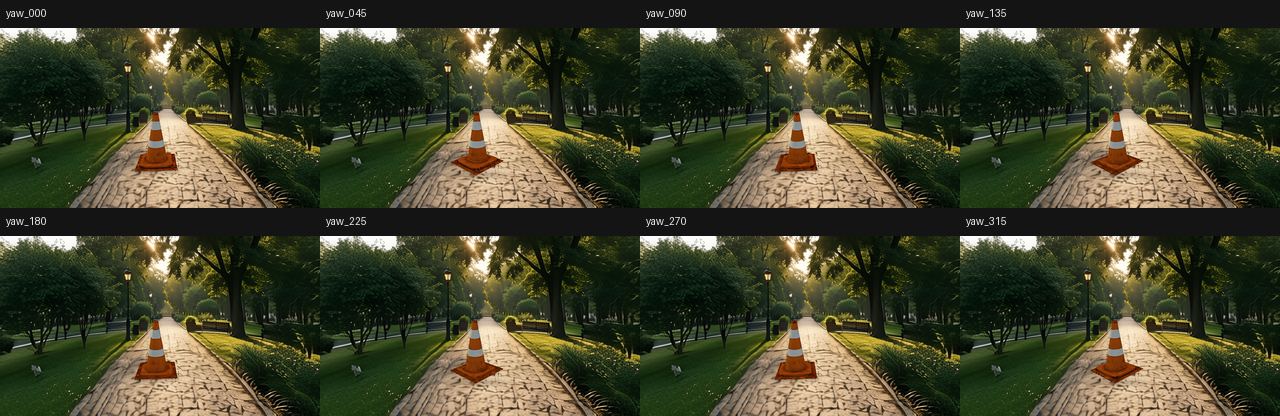
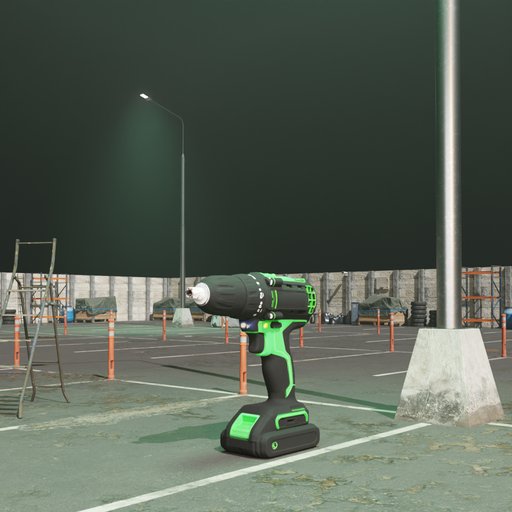
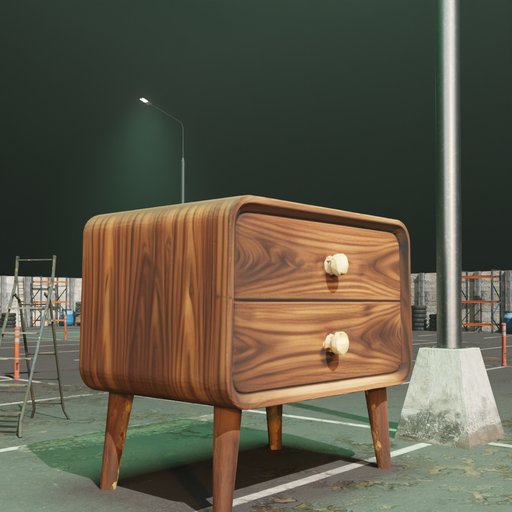
A compact preview extracted from the zipped report. It packages two HYWorld scenes, fixed-camera source RGB backgrounds, mesh-zbuffer object placement, eight yaw angles per object, and validation records for replayable 3D dataset construction.
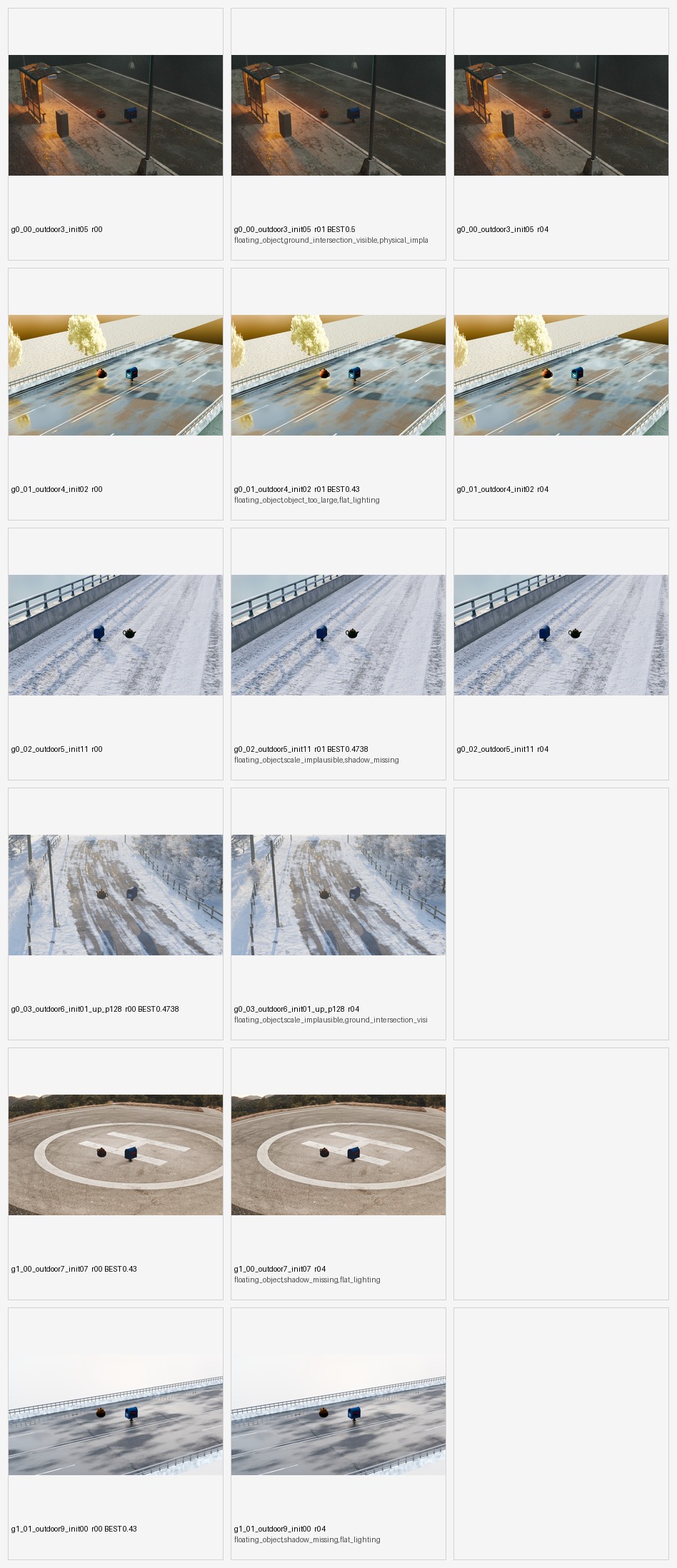
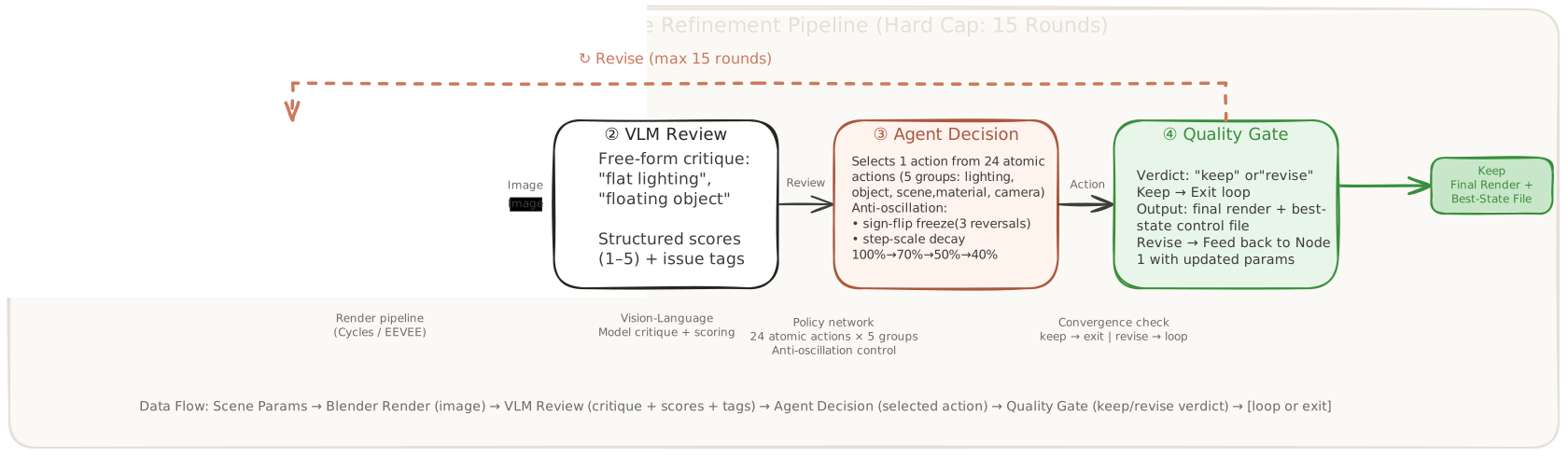
In the 3D reconstruction route, a goal-driven loop agent perceives rendered outputs via VLM review, diagnoses semantic issues, selects targeted rendering adjustments from a structured action space, and repeats until quality goals are met.
Sign-flip tracking, dead-zone detection, and step-scale scheduling prevent infinite loops and parameter thrashing.
Objects can be inserted into configured Blender scenes or optional HYWorld / WorldMirror scene context with support-surface checks.
Structured action space across lighting, object transform, scene environment, and material property groups.
A benchmark dataset for rotation-conditioned image editing. Each sample pairs a canonical front-view image with a target view specified in natural language.
import json from pathlib import Path from PIL import Image root = Path("dataset_scene_v7_full50_rotation8_...") rows = [] with (root / "pairs/train_pairs.jsonl").open("r") as f: for line in f: rows.append(json.loads(line)) row = rows[0] source = Image.open(root / row["source_image"]).convert("RGB") target = Image.open(root / row["target_image"]).convert("RGB") instruction = row["instruction"]
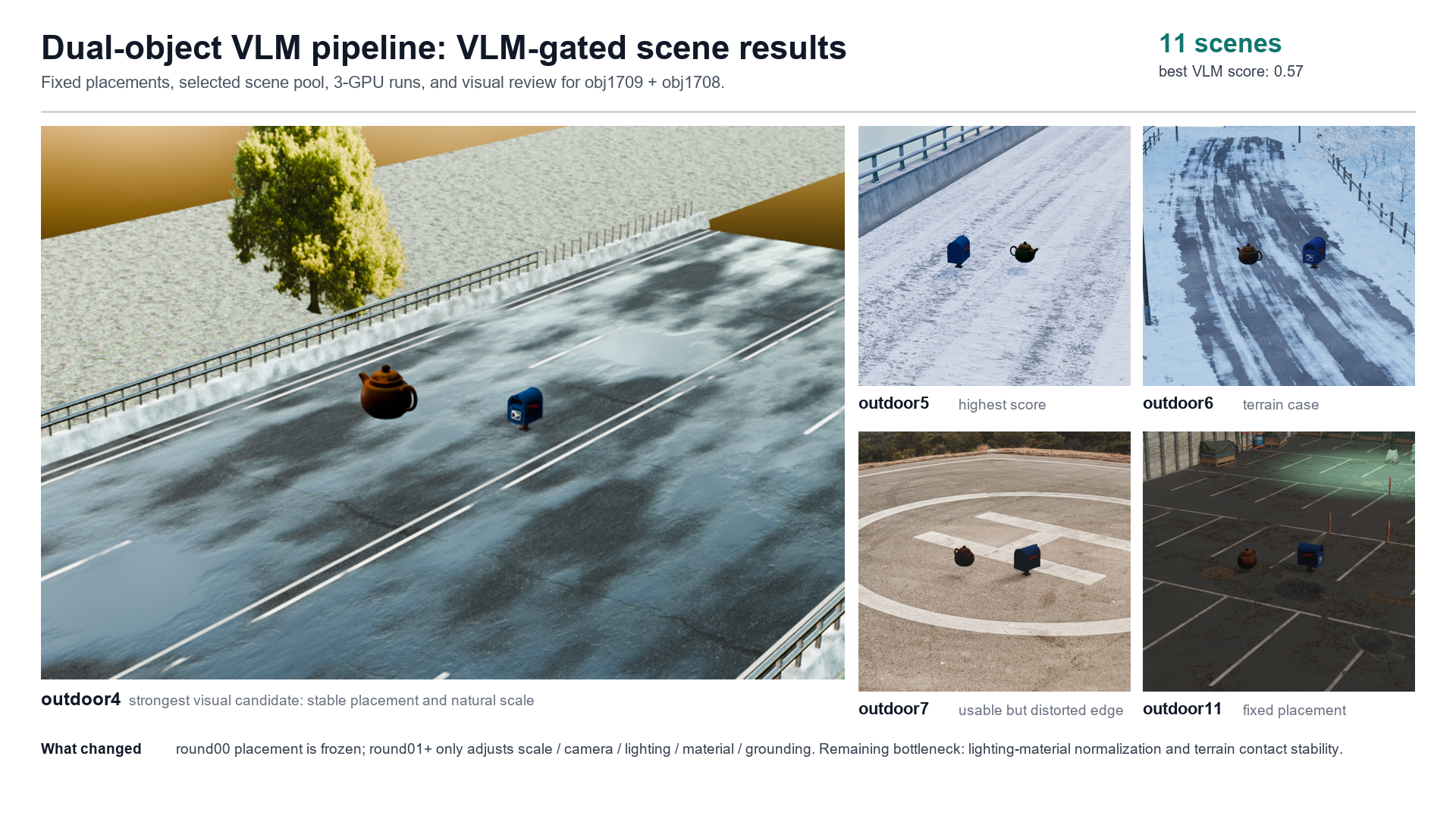
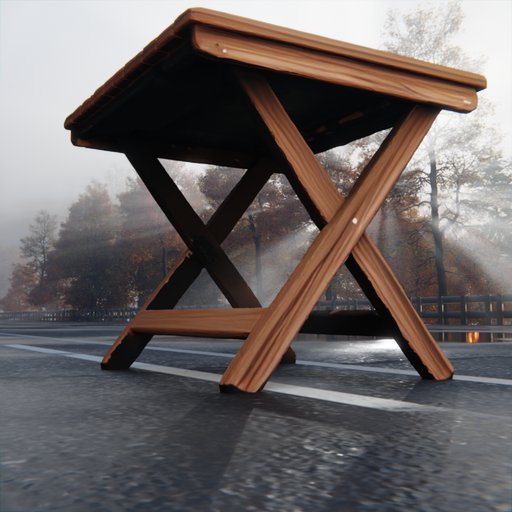
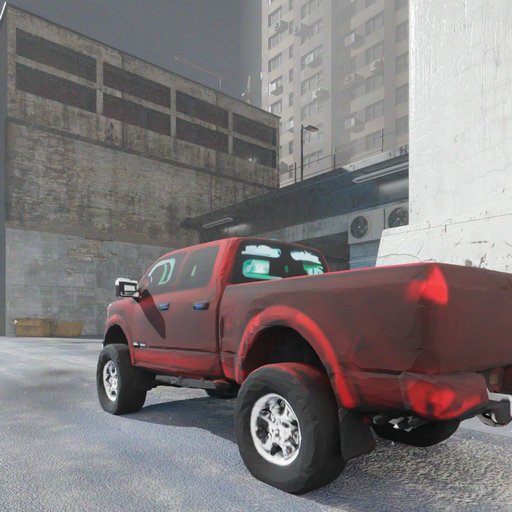
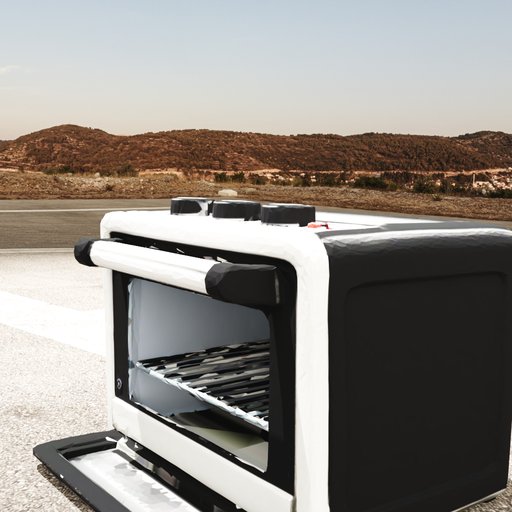
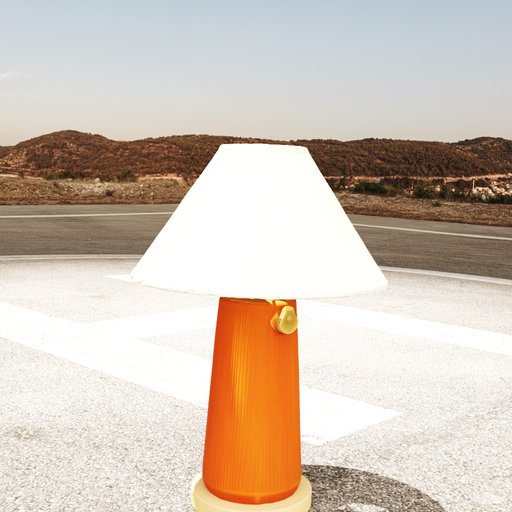
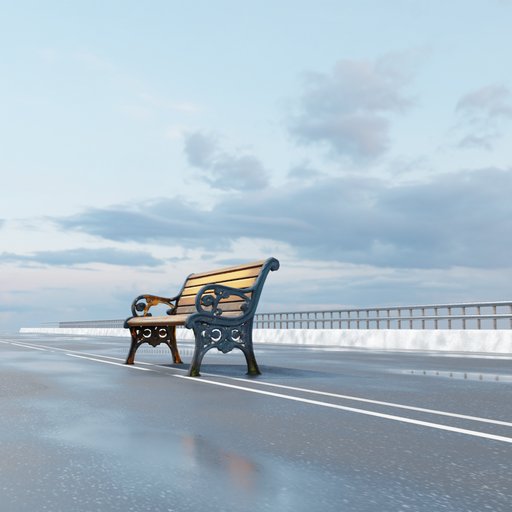
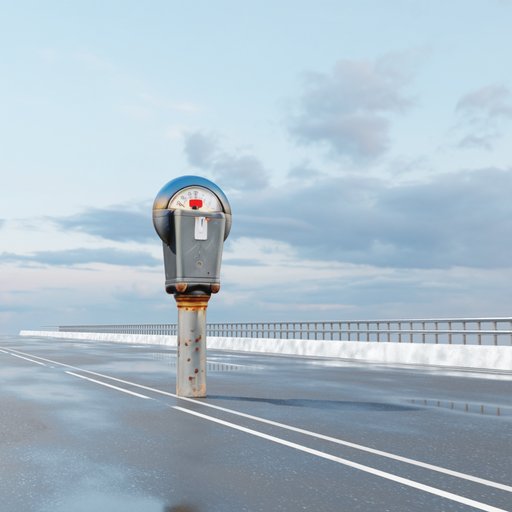
Best VLM-gated renders across 7 diverse Blender scenes. Each object is automatically placed, lit, and iteratively refined by goal-driven loop agents.
In the 3D reconstruction route, the agent selects from a discrete, structured action space to address VLM-identified rendering issues. Each action targets a bounded Blender parameter.
×1.2 / ×0.8 multiplicative, bounded [0.5, 2.0]
±15° yaw step, bounded [-90°, 90°]
×1.2 / ×0.8 multiplicative, bounded [0.5, 2.0]
±30° step, bounded [-180°, 180°]
±0.02 step, bounded [-0.1, 0.1]
±0.08 step, bounded [-0.3, 0.6]
+ 18 more actions — see scene_action_space.json
What sets DataEvolver apart is not one model call, but the way agents choose routes, preserve run records, repair failures, and export reusable dataset construction traces.
The agent can compose T2I, image edit, T2V, and image-to-3D routes in parallel, in series, or as hybrid strategies based on dataset goals.
Free-form natural language feedback provides semantic diagnosis that numeric scores cannot. The reviewer identifies why a render fails.
WebSearch-guided research records source notes, dataset methods, official artifacts, and evaluation references before downstream generation.
Accepted traces, failure cases, and generated evaluation sets can guide future LoRA tuning for stronger reconstruction and editing models.
The models, frameworks, and traceability records powering DataEvolver's multimodal generation, 3D reconstruction, and research-prior workflows.
Start with the lightweight dry-run path. It validates the setup shape and prints the local plan without downloading models, writing tokens, or launching GPU jobs.
git clone https://github.com/PRIS-CV/DataEvolver.git cd DataEvolver # Safe onboarding dry-run bash src/dataevolver/cli/bootstrap_dataevolver_default.sh \ --profile quick \ --dry-run # Review the reproducible research handoff format find outputs -name research_prior.json -print # Read the public documentation cat README.md
If you use DataEvolver or DataEvolver-Rotate in your research, please cite our work.
@misc{zhang2026dataevolverletdatabuild,
title = {DataEvolver: Let Your Data Build and Improve
Itself via Goal-Driven Loop Agents},
author = {Qisong Zhang and Wenzhuo Wu and Zhuangzhuang Jia
and Yunhao Yang and Huayu Zhang and Xianghao Zang
and Zhixiang He and Zhongjiang He and Kongming Liang
and Zhanyu Ma},
year = {2026},
eprint = {2605.01789},
archivePrefix= {arXiv},
primaryClass = {cs.AI},
url = {https://arxiv.org/abs/2605.01789}
}
Public recognition for DataEvolver across academic workshop review and agent-for-science competition presentation.
DataEvolver was accepted as an Oral Presentation for the AIDataSci 2026 workshop.
DataEvolver received a Certificate of Poster Presentation and was selected for on-site poster presentation.
Clone the repository, run the safe dry-run, and choose either the multimodal generation route or the WebSearch-guided research route.
Get Started on GitHub